SUMMARY: The foundation from which change begins
Strength training is not an add-on.
It is not an experiment.
It is not a luxury.
It is the foundation of health, education and upbringing.
If we want children:
-
healthier,
-
stronger,
-
more resistant,
-
smarter
...let's start with their muscles.
A new model of education begins in the school gym.
A model that can transform schools. And then society.
School gym as an impulse to change the entire system
The granddaughter of the project author, who is a high school student, saw all this and said:
“It is so beautiful it is impossible.”
But it is this space – beautiful, safe, motivating –
can become a place that children will love.
And which will inspire change not only in PE – but throughout the entire school.
> Why should strength training be the foundation of physical education in school?
…and how a school gym can become a space of health, knowledge, relationships and a new model of education.

A question that should touch the foundations of education
Why in the 21st century do children still not learn to systematically build physical strength in school?
Why does strength training – one of the best scientifically documented preventive health tools – still remain on the margins of physical education?
Isn't it time to boldly ask the question:
Why is strength training not yet a cornerstone of physical education in schools – even though it should be?
In this document we do more than just answer this question.
We prove that this is exactly how it has to be – if we want health, strength, resilience and a better future for the young generation.

Muscles are not just a "tool of movement." They are also an organ of crucial metabolic and hormonal importance.
They are the body's largest glucose reservoir. They regulate insulin sensitivity, support the immune system, and produce beneficial cytokines (myokines).
Regular resistance training:
-
reduces the risk of type 2 diabetes,
-
counteracts insulin resistance,
-
regulates glucose and lipid levels,
-
reduces inflammation,
-
supports mitochondrial and hormonal functions.
A child who does not develop muscle strength is already entering a spiral of future metabolic problems.
1. Skeletal Muscle – The Forgotten Organ of Metabolic Health
Glucose can be processed in the body in two ways:
-
oxygen – efficient, healthy, supporting cellular functions,
-
anaerobic – less effective, associated with the risk of pathology (the so-called Warburg effect).
Strength training activates aerobic metabolism in muscles, which:
-
prevents the accumulation of visceral fat,
-
improves metabolic health,
-
reduces the risk of lifestyle diseases – starting from childhood.
2. The Warburg Effect – How Muscles Influence the Quality of Glucose Burning
3. Strength training as an investment in your immunity, psyche and brain
Strength training:
-
increases the level of BDNF – a factor supporting brain development,
-
improves the balance of neurotransmitters (dopamine, serotonin, noradrenaline),
-
lowers the level of cortisol (stress hormone),
-
improves sleep quality, concentration and self-esteem.
A child who does strength training:
-
learns and copes with stress more easily,
-
regenerates mentally faster,
-
builds real emotional and cognitive resilience.

Strength training isn't a competition for other forms of exercise. It's their functional and structural foundation.
Strong muscles:
-
stabilize joints,
-
support body posture,
-
increase movement efficiency,
-
enable safe running, swimming, jumping and playing team games.
A child who exercises with strength develops faster and enjoys movement more – because their body cooperates.
This changes everything – from PE results to willingness to be active outside of school.
4. Strength training as the foundation of any other physical activity
5. Strength training reduces the risk of injury – in and out of school
Strong muscles = strong stabilization.
And stabilization means less risk:
-
sprains,
-
overload of the knees and ankle joints,
-
lumbar and cervical pain,
-
overuse injuries typical of children.
Strength training is the best form of injury prevention.
It not only protects today – but builds biomechanical awareness for life.

The deep abdominal and waist muscles form a biological corset:
-
stabilize the spine,
-
protect the lumbar region,
-
improve posture.
-
Additionally, they are an internal warning system.
Children with strong abdominal muscles:
-
they feel overeating earlier,
-
they sense changes in their figure faster,
-
are more aware of their body and their own weight.
These habits established in childhood increase the chances of metabolic health and a healthy weight in adulthood and old age.
5A. Strong abdominal and waist muscles – a health corset, weight control and spine protection

5B. Muscles as joint protection – today, tomorrow and in old age
The muscles around the joints (knees, hips, shoulders) are natural "shock absorbers and stabilizers."
Children who strengthen them from a young age:
-
distribute loads better,
-
they learn to move without overload,
-
protect joint cartilage against micro-injuries.
At a time when people in their forties are replacing hip and knee joints, strength training for children is a biomechanical rescue for entire generations.
More on this: Strength training and joint health.

Yes. And it's one of the safest workouts if done correctly.
Research shows that:
-
injuries in children's strength training are less common than in team sports,
-
proper supervision and equipment virtually eliminate the risk of injury,
-
Strength training is recommended by WHO, CDC, American Academy of Pediatrics, Canadian Society for Exercise Physiology.
The myth of “danger” is a relic of the past. Modern science says: practice – but wisely and early.
6. Is strength training safe for children?

7. Strength training breaks the barrier – anyone can be strong
Traditional PE is dominated by competition.
In the gym, personal progress is what counts.
Children who are overweight, have mobility difficulties or lack self-confidence – here they find a space in which they can challenge themselves.
This changes self-esteem, relationships with peers, and approach to movement.
This builds a person – not just muscles.
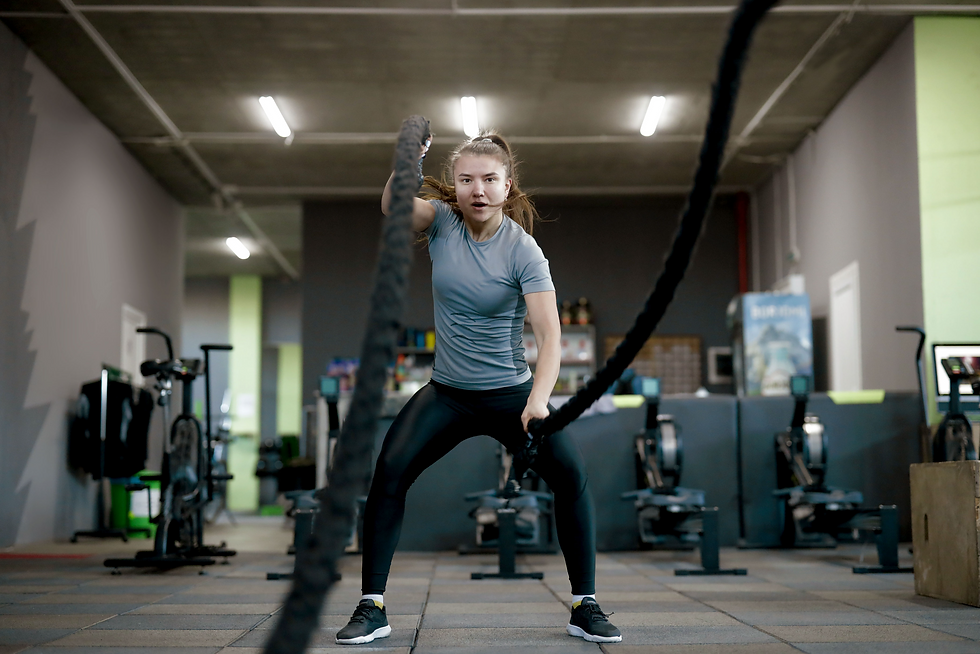
Children don't need to lift barbells – they need adapted, structured resistance movement:
-
squats with your own body weight,
-
isometric exercises (plank),
-
resistance band pull-ups,
-
leg presses on a machine with adjustable weight,
-
exercises on TYTAX® Kids machines – designed for school age.
It's safe, developing and motivating – for every child, regardless of their fitness level.
8. Examples of strength training for children and adolescents
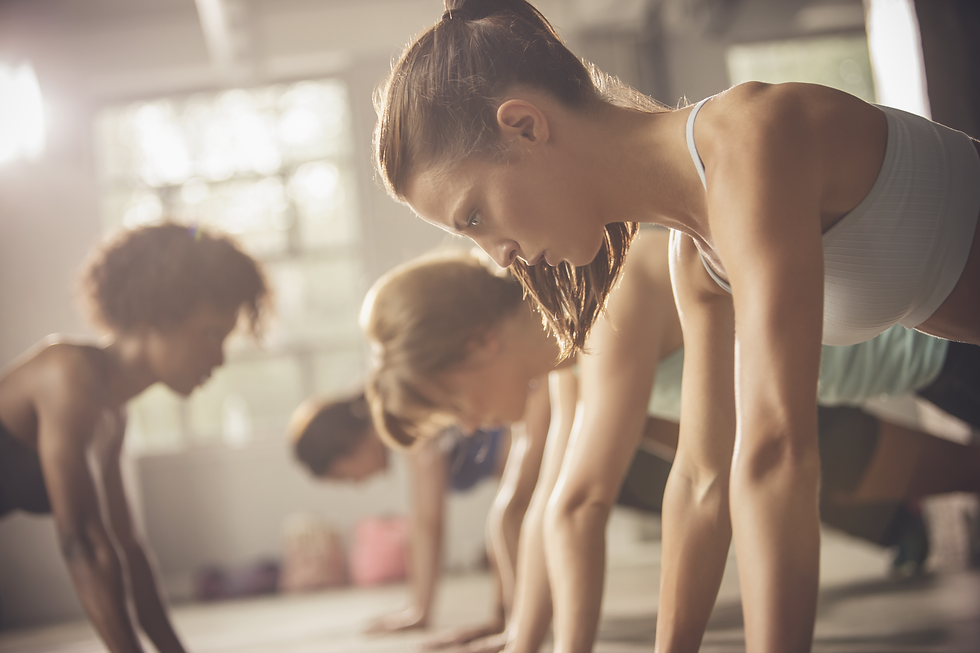
9. The future of physical education is strength training – but also education and aesthetics
The school gym is not only about exercise, but above all:
-
a space of beauty and inspiration,
-
a place with music, graphics, and a message,
-
a space where children learn that health is a value, not an obligation.
This is a space for changing the education system – from assessing to building.
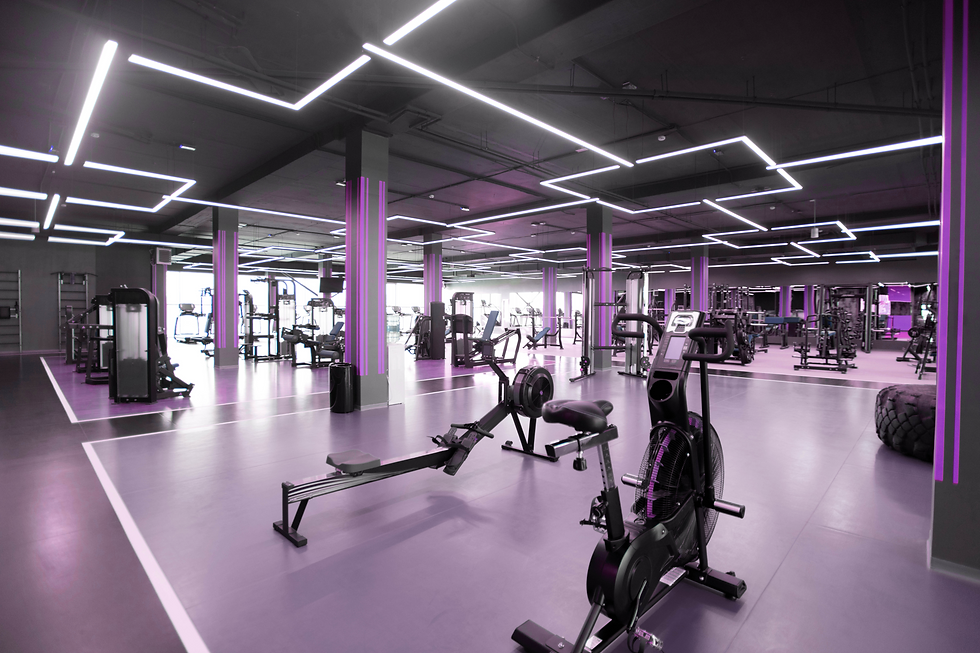
Every $ spent on the school gym today:
-
saves tens of thousands of $ in the future on the treatment of diabetes, obesity, orthopedic surgery, depression,
-
limits the scale of future work absenteeism,
-
increases independence in senior age.
It's not a cost. It's an investment. In children and in the country.
10. Economic argument – less costs for the system, more health for society
11. Debunking the myths – strength training does NOT inhibit growth or development
The most common myth?
“Children can’t do strength training because it will stunt their growth.”
Untruth.
Research shows:
-
strength training does not negatively affect growth in children,
-
does not cause damage to growth cartilage,
-
strengthens the skeletal system, supports mineralization, improves coordination.
This is the best time to start – provided you approach it professionally.